Roof Replacement Succasunna, NJ: The Importance of Underlayment and Decking
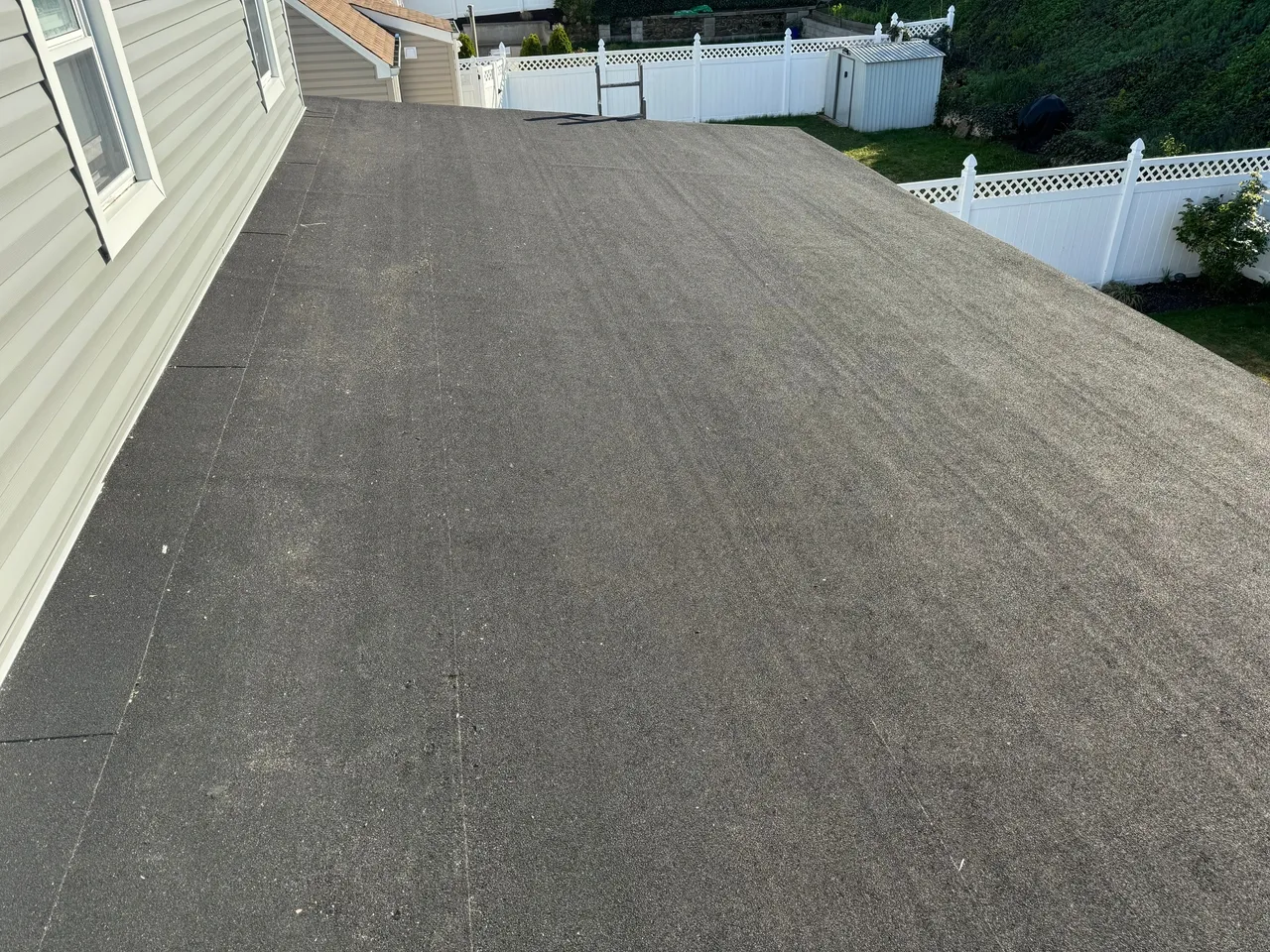
When homeowners think about a new roof, they usually picture shingles. That makes sense. Shingles are the visible finish, the color you notice from the curb, the material that takes the direct hit from sun, rain, snow, and wind. But on real roof replacement jobs, especially in places like Succasunna, the success of the project is often decided by what sits underneath those shingles.
Two layers matter more than most people realize: the underlayment and the roof decking. If either one is compromised, the best shingles in the world cannot make up for it. I have seen roofs with premium architectural shingles fail early because the decking was soft, the underlayment was installed carelessly, or old hidden moisture damage was covered instead of corrected. I have also seen modest roofing systems perform very well for years because the unseen parts were done correctly.
That is why any serious conversation about Roof Replacement Succasunna, NJ should go deeper than shingle brand and color. In Morris County, roofs deal with freeze-thaw cycles, wind-driven rain, summer heat, humidity, snow loads, and the occasional ice dam. Those conditions test every layer of the assembly. If the underlayment and decking are sound, the roof has a fighting chance. If they are not, problems often start quietly and become expensive fast.
What underlayment actually does
Underlayment is the water-shedding barrier installed directly over the roof deck and beneath Roof Replacement Succasunna, NJ the shingles. It is not the final exterior surface, but it plays a critical backup role. If wind pushes rain under shingles, if snow melts and refreezes at the eaves, or if a few shingles lift during a storm, the underlayment is there to reduce the chance that water reaches the wood below.
On paper, that sounds simple. In the field, it is where workmanship starts to separate strong roofing jobs from weak ones.
A properly installed underlayment helps manage incidental moisture, protects the deck during installation before shingles go on, and provides an extra line of defense in vulnerable roof areas. Valleys, eaves, penetrations, low-slope transitions, and roof-to-wall intersections all depend heavily on that secondary protection. Around Succasunna, where snow and ice are a real factor in winter, this matters more than it does in milder climates.
There are a few broad categories of underlayment. Traditional felt has been used for a long time and still appears on some projects. Synthetic underlayment has become common because it is lighter, stronger, and generally more tear-resistant during installation. Ice and water shield, which is a self-adhering membrane, is used in critical areas where leak risk is higher. The right choice depends on roof design, code requirements, exposure conditions, and budget, but the key point is this: underlayment is not a throwaway layer. It is a working part of the roofing system.
I have watched homeowners spend a lot of time comparing shingle warranties while barely asking what underlayment is being used. That is understandable, but it misses where many leak-prevention details actually happen.
Decking is the foundation no one sees
If underlayment is the backup shield, decking is the structural base that everything relies on. The decking, sometimes called sheathing, is the wood surface fastened to the rafters or trusses. Shingles, underlayment, flashing details, and fasteners all depend on that surface being dry, stable, and securely attached.
When the decking is in poor condition, the roof cannot perform the way it should. Nails may not hold properly. The roof surface may feel spongy underfoot. Moisture can linger in weakened wood. In severe cases, sections of the roof can sag or deform enough to create drainage issues and shorten the life of the new materials.
This is one of the biggest reasons full tear-offs are so important on replacement projects. Once the old roofing comes off, the installer can finally see the condition of the deck. Stains around plumbing vents, darkened plywood near valleys, soft spots along eaves, and delaminated panels around old leaks often tell a story that was invisible from the ground.
In Roof Replacement Succasunna, NJ projects, decking issues are not rare. Many homes have been through decades of weather. Some have had multiple roofing layers over the years. Others have suffered minor attic ventilation problems that slowly introduced moisture into the sheathing. It does not always take a dramatic leak to damage decking. Sometimes the issue builds quietly over ten or fifteen years.
Why Succasunna roofs face specific stress
Local climate changes the conversation. A roof in northern New Jersey sees a mix of conditions that can be punishing in subtle ways.
Winter creates Roof Replacement Succasunna, NJ one set of challenges. Snow may sit on the roof for days. Warm air escaping from the house can contribute to uneven roof temperatures, and that can help create ice dams at the eaves. Once meltwater backs up, it looks for openings. This is where underlayment, especially ice and water protection in the right locations, earns its keep.
Spring and summer bring another pattern. Heavy rainstorms can arrive with wind, and wind-driven rain does not behave the same way as a gentle shower. Water can move uphill under shingle tabs, work into sidewall flashing details, or exploit small installation defects. Hot weather also expands materials and stresses aging roof components.
Then there is humidity. Ventilation and moisture balance matter more than many homeowners expect. If attic moisture is not escaping properly, the underside of the decking can absorb it over time. That can weaken wood, encourage mold growth, and reduce the lifespan of the roof assembly from below rather than above.
A replacement roof in Succasunna should not be approached as a cosmetic update. It is a weather-management system, and the hidden layers do much of the hard work.
The common mistake: treating tear-off day like a formality
Many people assume the day the old roof comes off is just a necessary step before the new materials go on. In reality, tear-off day is inspection day. It is often the most revealing part of the job.
A good roofing crew uses that moment to assess the decking honestly. Not every roof needs large-scale deck replacement, but every roof deserves a real evaluation. Soft sections, rot at the edges, water staining near penetrations, exposed gaps, loose fasteners, and deteriorated sheathing should all be addressed before underlayment is installed.
This is also where transparency matters. Homeowners should expect the possibility that some decking replacement may be necessary. On older homes, that should not be treated as a surprise tactic. It should be discussed upfront as a potential condition-based item. Responsible contractors usually explain that deck repairs cannot be fully known until the roof is open.
The opposite approach is a red flag. If a contractor promises a bargain roof replacement without any meaningful discussion of sheathing condition, they may be counting on either skipping needed repairs or charging for them in a rushed, poorly documented way later.
How underlayment choices affect real-world performance
Not all underlayments perform the same, and not all roofs need the same configuration. The details depend on pitch, roof geometry, exposure, local code, and the type of finished roofing material. Even so, a few practical distinctions are worth understanding.
Traditional felt can still serve a purpose, but it is generally more vulnerable to wrinkling and tearing when compared with many synthetic products. Synthetic underlayments tend to lie flatter, resist tearing better during foot traffic, and often handle weather exposure more effectively if installation stretches over more than one day. On complex roofs or jobs scheduled during unsettled weather, those traits can make a difference.
Self-adhered membranes are especially important at eaves and other leak-prone areas. In cold-climate roofing, these membranes help protect against water intrusion caused by ice dam backup. If the membrane is omitted where it should be installed, or if it is installed with careless laps and poor sealing around penetrations, the weakness may stay hidden until a rough winter exposes it.
What matters most is not simply the product category, but how it is integrated with flashings, valleys, drip edge, and roof penetrations. Roofing failures often start at transitions, not broad open fields of shingles. A roof can have excellent shingles and still leak around a chimney because the underlayment and flashing details were rushed.
Decking problems that show up during replacement
Some issues are obvious the moment the old shingles come off. Others reveal themselves only after a roofer walks the surface and probes suspicious areas. The most common problems include:
- Soft or rotted wood near eaves, valleys, skylights, and chimneys
- Delaminated plywood or warped OSB from repeated moisture exposure
- Nail-holding failure in older or deteriorated sections of sheathing
- Gaps or movement in panels that should be refastened or replaced
- Localized staining that points to a leak path requiring more than cosmetic repair
Those conditions do not always mean the entire deck is bad. Often the damage is isolated. A professional roof replacement should remove and replace compromised sections so the new roof starts on a sound base. The goal is not to upsell wood replacement. The goal is to avoid trapping old failure points under brand-new materials.
I remember one project where a homeowner was mostly concerned with upgrading to a higher-end architectural shingle. Once the tear-off began, the crew found a narrow but significant band of damaged decking along the back eave. From the yard, the roof had looked fine. From the attic, there had been only faint signs of past moisture. The damage was real, though, likely from a long-term ice dam pattern. If that decking had been left in place, the new roof would have looked good on day one and started flexing in the same area within a few seasons.
Why poor decking leads to premature roof problems
A roof is only as stable as what supports it. When decking has gone soft or weak, several things start working against the roof at once.
Fasteners may not embed the way the manufacturer intends. That affects wind resistance. The roof surface may flex more under load, which can stress shingles over time. Moisture can remain in the wood and continue to degrade it under the new system. Even the visual appearance of the roof can suffer. Uneven decking telegraphs through finished materials, especially in low-angle light after sunrise or before sunset.
There is also a safety component. Roofers walking on compromised decking are at greater risk during installation. That is one more reason experienced crews take deck assessment seriously instead of treating it like an inconvenience.
The connection between attic ventilation and deck life
Underlayment and decking do not operate in isolation. Attic ventilation often decides how long the deck stays healthy. If warm, humid air is trapped in the attic, the underside of the sheathing can collect moisture over time. This is especially common in homes with insufficient intake at the soffits, inadequate exhaust at the ridge, blocked vents, or a poorly balanced system.
When that happens, homeowners may blame the shingles for what is really a ventilation issue. The roof surface might be relatively new, but the decking starts to show mold, staining, or softening from below. During a replacement, a good contractor should at least comment on visible ventilation concerns if they are present.
This does not mean every roofing project turns into a ventilation overhaul. It does mean the roof should be looked at as a system. If the house has chronic attic moisture, simply installing new shingles and underlayment without addressing airflow can limit the value of the work.
What homeowners should ask before signing a contract
Most roofing proposals focus on squares, shingles, labor, cleanup, and warranty language. Those are important, but homeowners in Succasunna should also ask specific questions about what happens beneath the surface.
A short set of questions can reveal a lot about how a contractor approaches the work:
- How will you inspect the decking once the old roof is removed?
- How do you handle damaged sheathing if it is found during tear-off?
- What type of underlayment are you installing, and where will ice and water protection go?
- How are flashing details integrated with the underlayment at valleys, walls, and penetrations?
- Will you evaluate ventilation conditions that may affect the new roof?
Notice that none of those questions are flashy. They are practical. They focus on the roof assembly rather than just appearance. Contractors who do this work carefully usually answer them clearly and without defensiveness.
Cost pressure and where people get tempted to cut corners
Roof replacement is a major expense, and homeowners are right to compare estimates. But lower bids often come from somewhere. Sometimes the difference is overhead or crew efficiency. Sometimes it is material quality. Just as often, it is the hidden scope.
A contractor can make an estimate look attractive by specifying a lighter or cheaper underlayment, minimizing ice and water protection, glossing over flashing replacement, or avoiding any real discussion of decking repairs. The quote may still say “complete roof replacement,” but the actual scope can leave too much to assumption.
That does not mean the highest estimate is automatically best. It means homeowners should compare the details. One proposal may include full tear-off, synthetic underlayment, properly placed membrane protection, replacement of flashings where needed, and reasonable unit pricing for deck repairs. Another may mention little beyond shingle installation. Those are not equivalent offers, even if they sound similar at first pass.
Signs your current roof may have hidden deck or underlayment trouble
Some warning signs show up before replacement begins. Others are visible only after opening the roof. Still, homeowners can watch for clues that suggest the hidden layers may deserve closer attention.
A roof that feels uneven from the ground, especially along eaves or valleys, can point to underlying substrate issues. Repeated leak stains in the same general area, despite past patching, often suggest deeper failure in flashing, underlayment, or deck condition. Indoor signs matter too. A musty attic smell, dark sheathing, rusted nail tips, or visible condensation can signal that the roof system is under stress even if the shingles still look passable from the street.
Age is another factor. A roof near the end of its service life has had years of exposure. Even if leaks have been minimal, the odds of at least some localized deck repair increase over time. That is not cause for alarm. It is simply realistic job planning.
Good roofing work is usually quiet, not flashy
The best roof replacements are often the least dramatic after they are done. The roof looks clean, straight, and appropriate to the house. There are no obvious waves, no careless flashing lines, no shortcut details around vents or sidewalls. More importantly, the assembly beneath the shingles was built thoughtfully.
That kind of result depends on decisions the homeowner may never see directly. Did the crew replace damaged decking rather than roofing over it? Did they install the underlayment tight, flat, and in the correct sequence? Did they protect the vulnerable areas where leaks usually begin? Did they recognize whether the attic environment might shorten the roof's life?
Those are the details that separate a roof that merely looks new from one that actually performs like new.
For homeowners evaluating Roof Replacement Succasunna, NJ, it is worth slowing down and asking about the hidden layers. Shingles matter, but they are only the top surface of a larger system. Underlayment protects when weather gets underneath. Decking gives the entire roof its structural integrity. When both are handled correctly, the new roof has a solid chance to deliver the lifespan and reliability people expect. When they are neglected, even a beautiful new roof can start disappointing far sooner than it should.
A roof replacement is not just a purchase. It is a reset point for the house. Done properly, it corrects old weak spots, improves weather resistance, and gives the home a stronger shell for the years ahead. Done carelessly, it can hide old problems under expensive new materials. That is why underlayment and decking deserve more attention than they usually get. In a place with real seasons and real weather like Succasunna, they are not minor details. They are the difference between a roof that simply covers the house and a roof that truly protects it.
Royalty Exteriors
151 NJ-10 Suite 103A, Succasunna, NJ 07876, United States
+1 973-333-7234
FAQ About Roof Replacement Succasunna, NJ
What are signs a roof needs replacing?
Widespread shingle deterioration, repeated leaks, or damaged decking can point to a larger problem. A roofer can inspect the roof covering, flashing, and deck to determine whether the damage is localized or whether replacement makes more sense.
How long does it take to reroof a 2000 square foot house?
Royalty Exteriors estimates one to three days for many single-family roof replacements. A house’s floor area does not tell you the actual roof area. Pitch, roof features, weather, and any decking repairs can change the schedule.
How long should a roof last in NJ?
There is no single lifespan for every roof. Material, installation quality, attic ventilation, maintenance, and exposure to storms all affect how long a roof remains serviceable. An inspection can help you assess its condition and plan for replacement.